
Glass vs Plastic Cosmetic Containers - Which Should You Choose and Why?
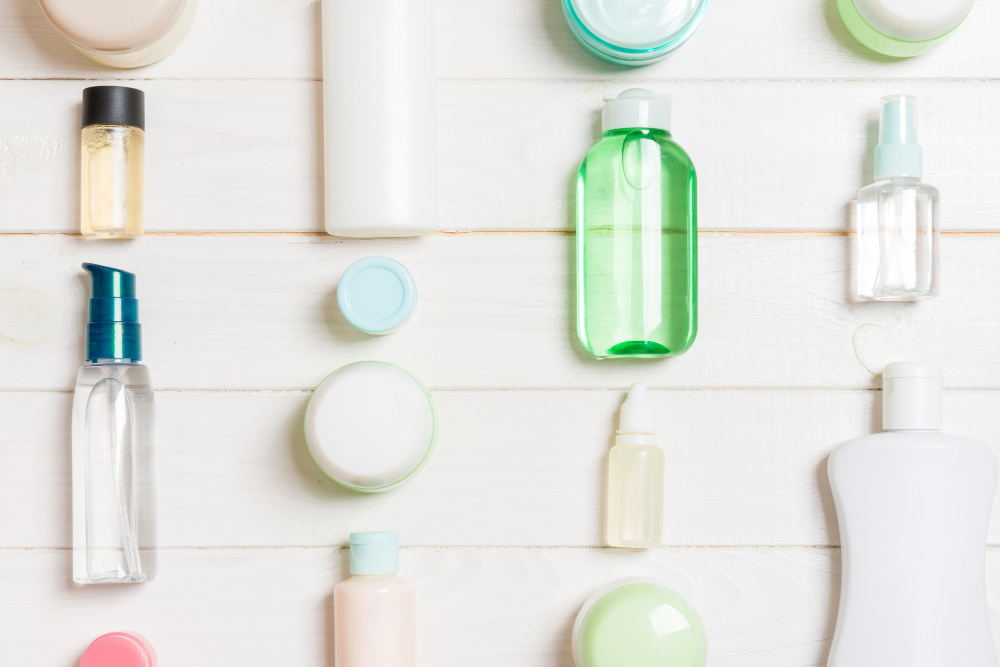
When considering which packaging is best, it is worth looking at your specific needs. Glass and plastic cosmetic containers each have their own unique advantages and limitations. Glass is associated with elegance and is chemically neutral, which can be vital for certain products, although on the other hand, it is fragile. Plastic is more durable and lightweight, making it a practical choice for travel. The choice of packaging often depends on the type of cosmetic and the user's expectations. In this text, we will take a closer look at this topic, discussing the pros and cons of both materials.
Glass Cosmetic Packaging – Pros and Cons
First and foremost, glass is chemically neutral. This means it does not react with its contents, allowing products to retain their properties for longer. Furthermore, glass looks elegant and can be recycled infinitely, making it a better choice for the environment. Dark glass packaging offers additional protection for cosmetics against the harmful effects of light. Unfortunately, glass also has its downsides. It is heavier and more fragile than plastic, which can make it less practical for travelling.
Clear Glass
Clear glass allows you to see the colour and consistency of the product, which makes it more attractive to look at. Such packaging also makes it easy to track how much product you have left. Unfortunately, clear glass has its drawbacks. Light penetrating through the walls can affect certain cosmetic ingredients. Products containing vitamins, essential oils, or other photosensitive components may lose their properties more quickly when exposed to UV rays. Consequently, such cosmetics often require extra protection, such as darkening labels or being stored in dark cupboards.
Dark Glass
Amber or brown glass is excellent for storing light-sensitive cosmetics. It protects well against UV radiation, which can destroy active ingredients. This is particularly important for organic products and cosmetics with natural extracts, helping them retain their properties for longer. Additionally, dark glass looks elegant and is associated with luxury products, which helps build brand prestige.
One downside of dark glass is the difficulty in monitoring the product level without opening it. Furthermore, its production is more expensive, which translates into the final price of the product. Nevertheless, many manufacturers and consumers believe that the extra protection from light is well worth it.
Plastic Packaging (PET, PP) – When Is It a Good Solution?
Plastic is an excellent choice if you need something lightweight and durable. Due to its low weight and resistance to damage, it is perfect for storing liquid and gel cosmetics, such as shampoos or lotions. Plastic cosmetic containers are particularly practical for travel, as they are shatterproof and easy to carry. Moreover, choosing the right colours can help protect the contents from light.
PET Plastic
PET bottles are commonly used for packaging shampoos, shower gels, toners, and oils. Why? Primarily because they are light and durable. This plastic is crack-resistant, making it ideal for trips. Its transparency allows you to easily check the product level. These bottles often feature practical dispensers to facilitate precise use, making them incredibly practical for everyday life. Additionally, PET is inexpensive, which lowers production costs and cosmetic prices. This plastic is also relatively easy to process and recycle.
PP Plastic
Polypropylene, known as PP plastic works brilliantly for manufacturing cosmetic bottles and caps. It is exceptionally durable and resistant to chemicals and temperature changes, making it ideal for storing thicker cosmetics such as creams, lotions, or body butters. PP packaging is lightweight yet robust, making it perfect for both daily use and travel. Its airtightness protects cosmetics from air and bacteria, extending their shelf life. PP can also be recycled.
Matching Packaging to the Consistency and Type of Cosmetic
Matching the packaging to the consistency and type of cosmetic is of great importance for convenience and effectiveness. Here are a few tips:
- Liquid cosmetics, such as toners or serums, are best stored in bottles with an applicator, such as a pipette or atomiser, allowing for precise dosing.
- For thicker products, like creams or ointments, sturdy airless packaging or aluminium jars are useful, as they protect against air and contamination.
- Solid products, like sticks, work well in specialized roll-on packaging.
By storing them correctly, cosmetics retain their properties for longer.
For Creams, Ointments, and Gels
Thick products are best kept in glass or aluminium jars. While glass cosmetic jars are elegant and chemically neutral, they are somewhat fragile and require care. Aluminium jars, on the other hand, provide excellent protection against light and oxygen, extending the effectiveness of cosmetic ingredients, though they can be less aesthetic.
If you are looking for a convenient and hygienic solution, it is worth considering airless packaging. These are ideal for those who want to dispense product without skin contact. They help creams retain their properties longer because they do not come into contact with air, reducing the risk of ingredient oxidation. Gels, due to their semi-liquid consistency, are usually packed in cosmetic bottles with pumps or plastic tubes. Plastic materials like PET or PP are light and durable, therefore ideal for daily use and travel. Additionally, pumps allow for precise dosing, minimising the risk of accidental spills.
For Toners, Serums, and Foundations
It is important that packaging facilitates daily use while protecting the product's properties. Pipette bottles provide precise drop-by-drop dosing, perfect for serums as they are accurate and hygienic. Toners work best in atomiser bottles, while foundations can be stored in airless bottles to prevent oxidation. Here, too, you can choose between glass and plastic. Roll-ons are a practical option for serums and deodorants, facilitating direct application to the skin.
For Balms and Sticks
Sticks are often used here, enabling easy and precise application. Such cosmetic packaging is usually plastic, making it light and durable, so that it’s easy to tuck into a handbag or make-up bag. For balm bars, aluminium tins are a good option as they protect well against light and air. Roll-on mechanisms, similar to those in lipsticks, are often chosen for convenience and hygiene.
Travel Packaging
When travelling, cosmetics are an essential part of our luggage. It is important that the containers are small (ideally up to 100ml) so they can be carried in hand luggage without issue. Made from light and durable plastic like PET or PP, they are perfect for travel. They are impact-resistant, which matters when suitcases are frequently moved around. Practical shapes like pump bottles, atomisers, or small jars allow for convenient dosing without waste. This means you can enjoy your favourite cosmetics wherever you are, without the need to constantly buy new miniature versions.